


Kritisk teori i dialog 2: Kan fremskrittet reddes?
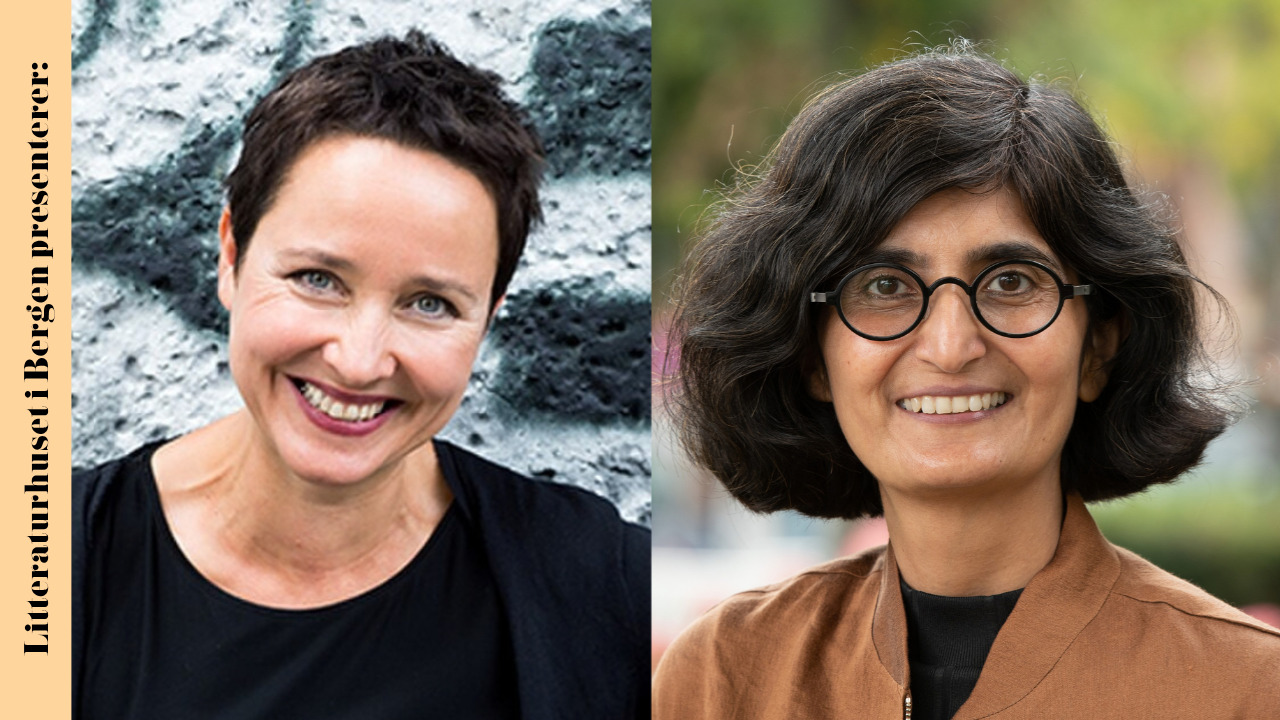
Med Rahel Jaeggi, Nikita Dhawan og Franz Knappik
Scroll for English.
Går det fortsatt an å tro på samfunnsmessig «fremskritt»? Kan vi appellere til tanker som «opplysning» og universelle «menneskerettigheter» selv om vi lever i en verden hvor slike idealer stadig undergraves—og selv om begreper som disse har sitt opphav i en vestlig idéhistorie som gjerne har brukt dem for å nedgradere andre grupper og kulturer og for å rettferdiggjøre krig og kolonisering?
Disse vil være blant de spørsmålene som diskuteres når to svært aktuelle teoretikere møtes til samtale. Rahel Jaeggi (professor i praktisk filosofi, Humboldt-universitetet i Berlin) er en av de fremste stemmene i frankfurterskolens fjerde generasjon. I sin nyeste bok Progress and Regression (Harvard University Press 2025, original på tysk 2023) forsvarer hun begrepsparet fremskritt/regresjon som et nødvendig verktøy for samfunnskritikk, med ambisjonen om å ta høyde for den postkoloniale kritikken.
Nikita Dhawan (professor i politisk teori og idéhistorie, Teknisk universitet Dresden) er en viktig forfatter innen postkolonial og queer-feministisk teori. I sin bok «Rescuing the Enlightenment from the Europeans. Critical Theories of Decolonization» (Duke University Press 2026, original på tysk 2024) tar hun et oppgjør med forestillingen om at opplysningstenkning og postkolonial kritikk står i motsetning til hverandre. Dhawan argumenterer for at opplysningstenkningen må både kritiseres og transformeres til en nødvendig ressurs for oss i dag—et prosjekt som hun mener kan trekke veksler på frankfurterskolen.
I samtale med Franz Knappik (professor i filosofi, UiB) vil Jaeggi og Dhawan diskutere hvordan postkolonial tenkning og opplysningens arv kan snakke sammen, og hva kritisk teori kan tilby vår tid.
Arrangementet er den andre utgaven i rekken «Kritisk teori i dialog», i regi av Litteraturhuset i Bergen og forskergruppen Critical Theory Bergen ved Institutt for filosofi og førstemesterstudier, UiB.
Samtalen vil være på engelsk
Samtalen er en del av Nordic Network for Critical Theorys konferanse i Bergen 15.–16. oktober.
150/ 120/60,–
**
Is it still legitimate to believe in social “progress”? Can we appeal to notions like “enlightenment” and universal “human rights” even though we live in a world where such ideals are constantly undermined—and even though concepts like these originate in a Western history of ideas that often has used them to degrade other groups and cultures, and to justify war and colonization?
These questions will be discussed when two theorists meet whose work could not be more timely. Rahel Jaeggi (professor in practical philosophy, Humboldt University Berlin) is a leading thinker in the fourth generation of the Frankfurt school. In her latest book Progress and Regression (Harvard University Press 2025, originally in German 2023), she defends the pair of concepts progress/regression as a necessary tool of social critique, while aiming to do justice to the postcolonial challenge.
Nikita Dhawan (professor in political theory and history of ideas, Technical University Dresden) is an important author in postcolonial and queer-feminist theory. In her book Rescuing the Enlightenment from the Europeans. Critical Theories of Decolonization (Duke University Press 2026, first in German 2024), she tackles the notion that Enlightenment thought and postcolonial critique are opposed to each other. Dhawan argues that Enlightenment thought has to be both criticized and transformed to serve as a necessary resource for us today—a project that she thinks offers fruitful points of contact with the Frankfurt school.
In conversation with Franz Knappik (professor of philosophy, UiB), Jaeggi and Dhawan will discuss how postcolonial thought and the legacy of the Enlightenment can talk to each other, and what critical theory can offer to our time.
This event is the second edition of the series “Critical theory in dialogue”, organized by Litteraturhuset i Bergen and the research group Critical Theory Bergen at the Department of philosophy, UiB.
The conversation will take place in English.
150/ 120/60,–
Arrangør:
Alder:


